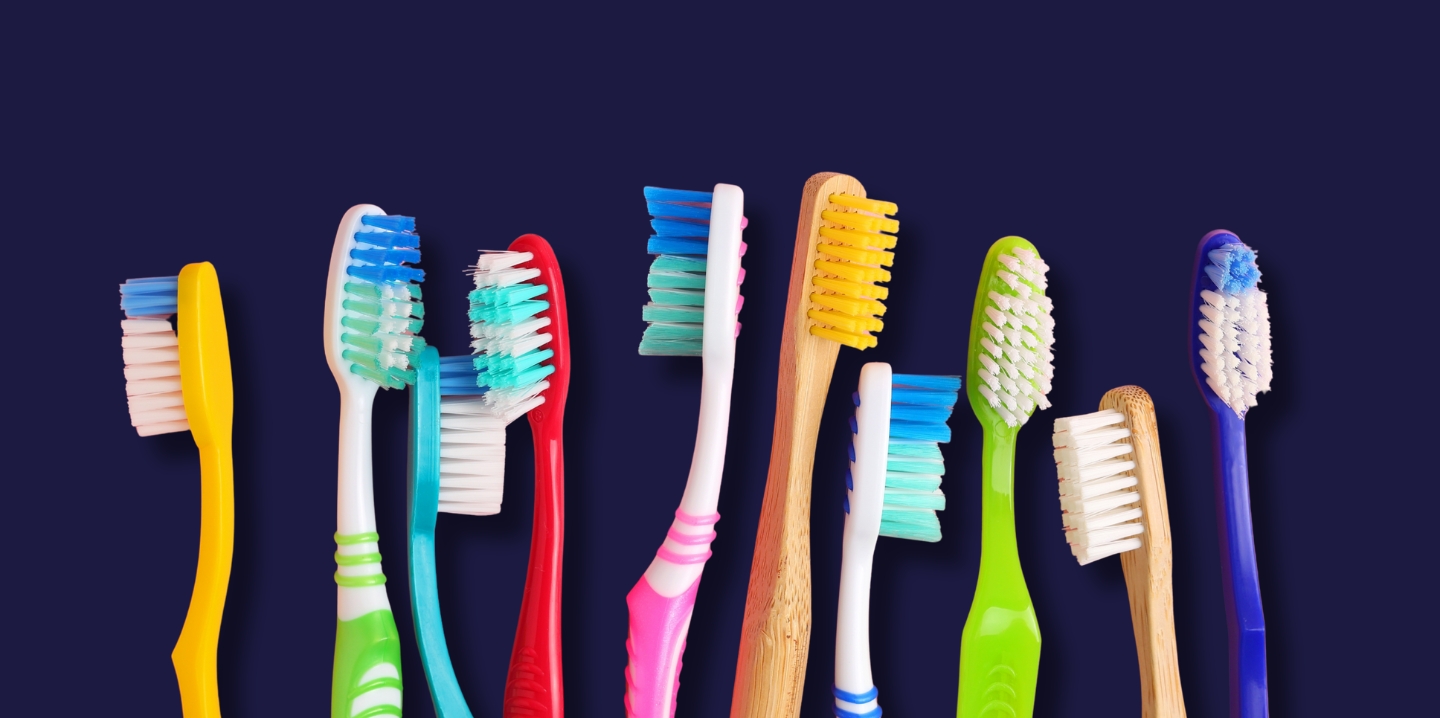
It is essential to replace your toothbrush every 2–3 months, or even sooner if the bristles become frayed, bent, or worn out. A worn toothbrush is far less effective at removing plaque, bacteria, and food debris, which can increase the risk of tooth decay and gum disease. Regularly changing your toothbrush ensures you are always cleaning your teeth with a tool that works effectively and keeps your oral hygiene routine at its best.
Whether you are choosing a manual toothbrush or an electric toothbrush, the key is to ensure the head size, bristle type, and replacement schedule match your individual needs. Following these guidelines will help you maintain healthy teeth and gums, keep your breath fresh, and support long-term oral health.
Book an Appointment

These bristles are designed to be gentle on the gums while still reaching between teeth and along the gumline to remove plaque. A smaller brush head is recommended because it makes it easier to reach all areas of the mouth, including the back teeth, which are often missed with larger brushes.


The bristles should be the same type – soft or medium, round-ended nylon – to protect their developing teeth and sensitive gums. Choosing a toothbrush that is the right size and shape for your child helps encourage good brushing habits from an early age.


“I don’t normally do reviews, well, not good ones anyway, but on this occasion I will. Having neglected my teeth for over 7 years due…
“I had the best experience I’ve ever had at a dentist at Buckden Dental Clinic. The staff are all wonderful, from the receptionists to the…
“We were recommended Buckden Dental Clinic and are so glad we were. We recently joined Buckden Dental Clinic after moving to the area and being…
“I have the utmost confidence that any dental work advised by Kam. I have been a patient of Kam for almost two years. During that…
“The hygienist today is the best one I have ever been to. I just wanted to tell you the hygienist today is the best one…

 Follow us on Instagram