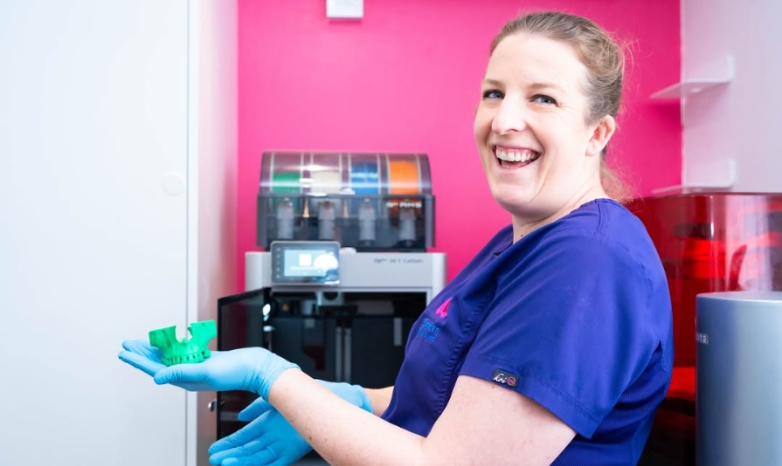
However, loose dentures are a common complaint among wearers and no matter how good the fit is, sometimes there can be an underlying issue. Implant-retained dentures can transform the lives of those wearing full dentures.
Dental implants are replacement tooth roots. The implants provide a strong foundation for your denture to attach to. Generally, you need around two to six implants to hold a set of dentures in place. Your dentures can still be removed when needed.
Book an Appointment

The first step your dentist will do is a full assessment to check your suitability for treatment. This will include a thorough evaluation, including X-rays, to assess your jawbone. Your dentist will also discuss alternative options for you, such as bridges and dentures. Your dentist will be able to give you a preliminary estimate for the treatment. To be able to check if your jawbone is suitable for implants, your dentist will need to take a 3D scan. We will be able to discuss the scan with you and go through what the procedure entails.
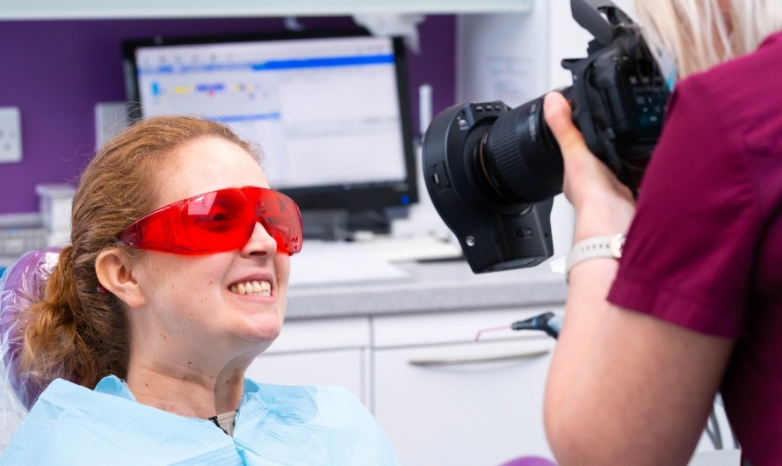
The next process is to take some initial records of your teeth as a ‘before treatment’ clinical record. This involves clinical photographs and either a scan or impressions of your teeth. This is often completed by one of our qualified nursing team members. Your dentist will review all the records again with you in depth. You will be given a full written consent and treatment estimate. You will have plenty of time to ask any questions you may have.
The next stage is placing the implant. This is completed under local anaesthetic, the same as you would for a filling. A small incision is made in your gum to access the bone underneath. There will be some drilling and water whilst the jawbone is being prepared for the implant. The implant is placed with a cover screw over the top to protect it. The gum is then sutured back into place.
We’ll review you a week or so later and remove any sutures still remaining. We’ll leave the area for at least three months for the implant to integrate into the jawbone.
After about three months, we’ll bring you back to ‘uncover’ the implant. We’ll give you some local anaesthetic and use a dental laser to remove the gum above the implant. We use a laser instead of a scalpel as it stops any bleeding as we go, resulting in faster healing.
Once the top of the implant is accessed, the cover screw is removed, and a locator abutment is placed. This will be visible in your mouth through the gum. We’ll then adjust your denture and add processing caps in the denture adjacent to where the locator abutments are. We’ll add acrylic to your denture where needed until we get a good fit and seal over the implants.

“I don’t normally do reviews, well, not good ones anyway, but on this occasion I will. Having neglected my teeth for over 7 years due…
“I had the best experience I’ve ever had at a dentist at Buckden Dental Clinic. The staff are all wonderful, from the receptionists to the…
“We were recommended Buckden Dental Clinic and are so glad we were. We recently joined Buckden Dental Clinic after moving to the area and being…
“I have the utmost confidence that any dental work advised by Kam. I have been a patient of Kam for almost two years. During that…
“The hygienist today is the best one I have ever been to. I just wanted to tell you the hygienist today is the best one…
What are the advantages of implant retained dentures?

Theoretically, you could have an implant for each tooth in the jaw, but this would be expensive and unnecessary. A popular alternative option is dentures that are held in place by implants. The advantages of this option include:
What can I expect after treatment?
After your retained denture procedure, it’s normal to experience some mild discomfort, swelling, or tenderness around the treated area, particularly in the first few days following implant placement. Your dentist will provide aftercare advice and may recommend pain relief if needed to help keep you comfortable. Stitches, if placed, are usually removed at your follow-up appointment within a week. It’s important to allow time for the implants to integrate securely with your jawbone, which typically takes around three months. During this healing period, you should follow your dentist’s guidance on eating softer foods, maintaining excellent oral hygiene, and attending all scheduled check-ups. Once healing is complete and the locator abutments are fitted, your dentures will feel more stable, secure, and natural, giving you improved confidence when eating, speaking, and smiling.

 Follow us on Instagram