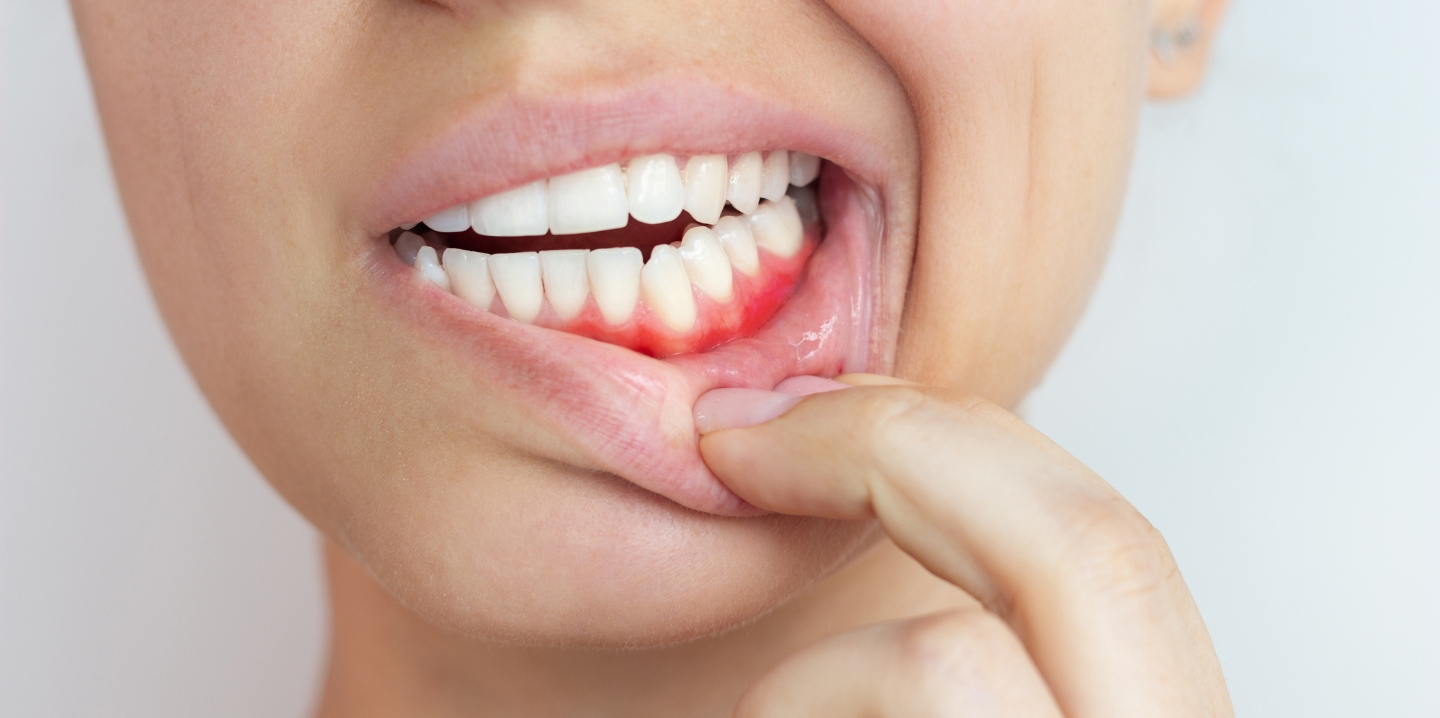
They may also look red or swollen. Gingivitis can often be cured simply with good mouth hygiene – brushing twice a day for at least 2 minutes in the morning and evening, and using floss or interdental brushes for the spaces between teeth. As the disease progresses, the tissues holding teeth in place start to break down and pockets in the gum form around the teeth, which allow even more plaque (also known as biofilm) to gather. This stage is called chronic periodontitis. It is usually painless and can become quite severe if not treated, resulting in teeth becoming loose and eventually falling out. Symptoms to watch out for are:
Chronic Periodontitis can only be controlled if you keep your teeth and gums thoroughly clean. Your dentist or hygienist can show you how to do this properly. Scaling and polishing by a hygienist can remove hard tartar that cannot be removed with your toothbrush.
Book an Appointment

It is important to visit the dentist regularly, so that it can be identified and you can get advice on managing it. Other factors can increase your risk of periodontal disease:
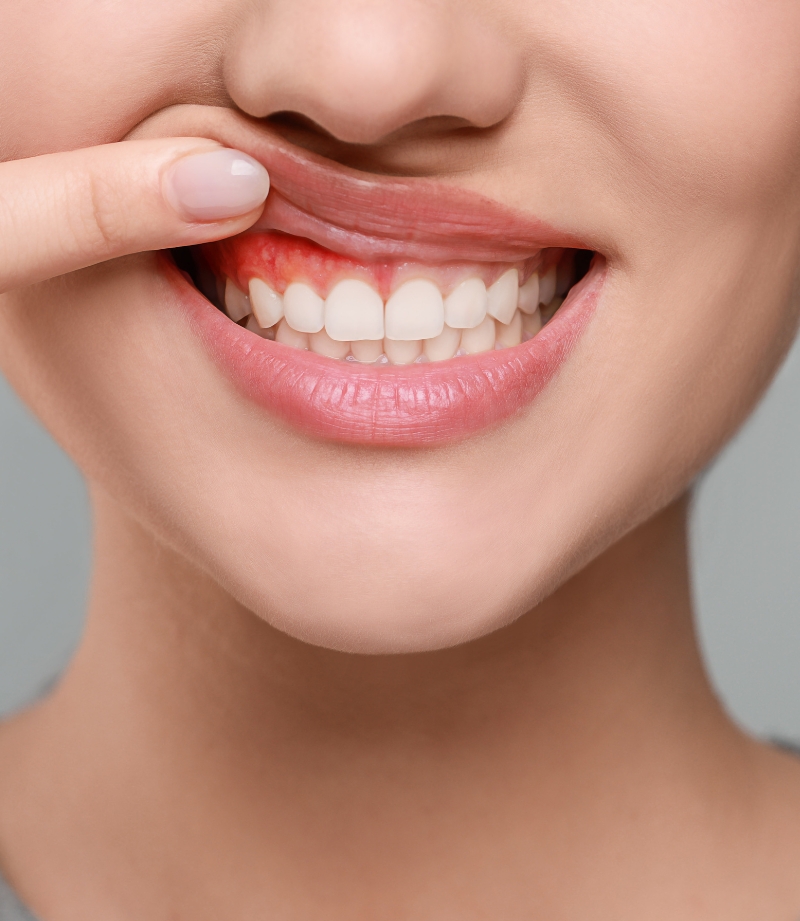

The early stages of gum disease are easily treated. An appointment with our hygienist for scaling will gently remove biofilm and tartar deposits from the tooth surface. This may be carried out under local anaesthetic for those with more sensitive teeth. Depending on the severity of gum disease, more than one visit may be required, after which a maintenance program is recommended.
You may require root planing, which is an additional therapy provided by our hygienist, in conjunction with your toothbrushing regimen at home, to halt the progression of gum disease. It involves ‘deep’ scaling to clean parts of teeth below the gumline, which cannot be reached with a toothbrush.
After a tooth has been root planed, the pocket should shrink, making the gum sit closer to the tooth. Root planing and biofilm removal with Airflow will need to be repeated regularly. Good oral hygiene is a key factor in how well the gums respond to treatment.

“I don’t normally do reviews, well, not good ones anyway, but on this occasion I will. Having neglected my teeth for over 7 years due…
“I had the best experience I’ve ever had at a dentist at Buckden Dental Clinic. The staff are all wonderful, from the receptionists to the…
“We were recommended Buckden Dental Clinic and are so glad we were. We recently joined Buckden Dental Clinic after moving to the area and being…
“I have the utmost confidence that any dental work advised by Kam. I have been a patient of Kam for almost two years. During that…
“The hygienist today is the best one I have ever been to. I just wanted to tell you the hygienist today is the best one…

 Follow us on Instagram